Fire Safety & Electrical Compliance for NDIS and SDA Homes in Wyndham
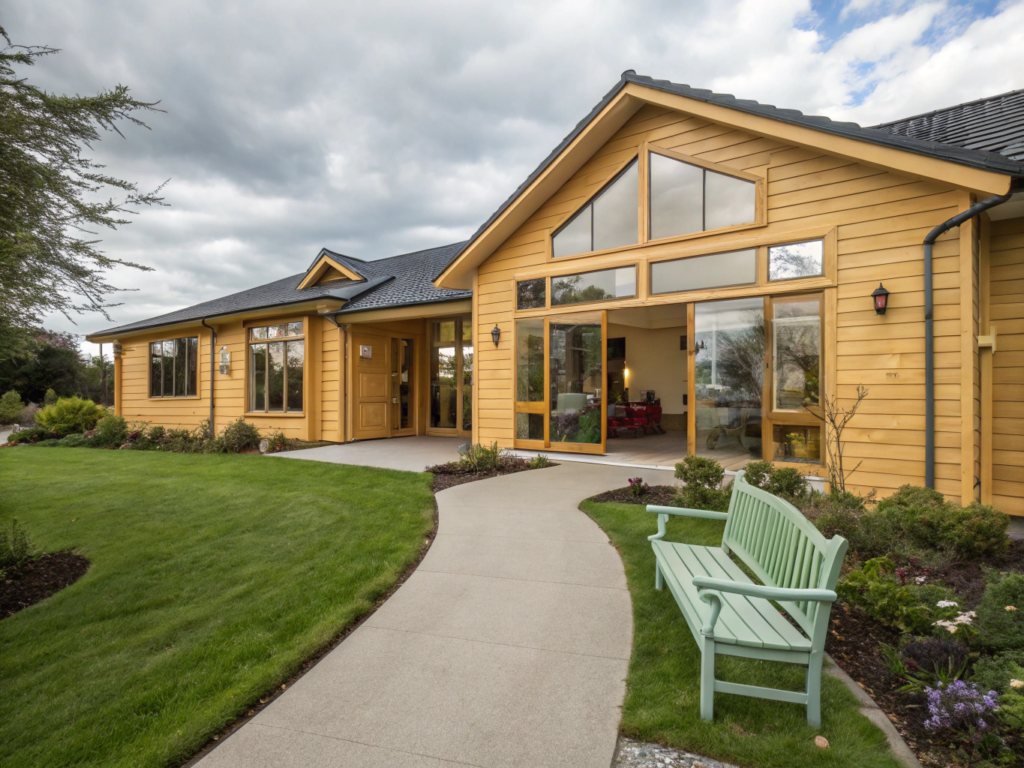
NDIS and SDA fire safety compliance protects the people who live in your properties and the registration you hold to house them. If you manage SDA properties, run an NDIS service or operate disability housing, you carry a clear duty of care. This guide shows what AS 1851 and AS/NZS 3760 expect from your homes, and how to meet them without upsetting daily life for your residents.
The Critical Importance of Compliance in Specialist Disability Accommodation
Specialist Disability Accommodation is built for people with high support needs. Many residents cannot leave a building fast on their own. Some need staff, a hoist or a wheelchair to move. That changes the way a fire plays out.
In an ordinary home, people self-evacuate in minutes. In an SDA home, every second of warning counts. Working alarms, clear exits and reliable lighting are not extras. They are the safety plan.
The number of NDIS and SDA properties is growing fast across the Wyndham area. New builds and conversions are opening in Werribee, Hoppers Crossing and Truganina. Each one must meet strict standards to keep its registration, its insurance and its funding.
Electrical load is the other half of the risk. These homes often run far more powered equipment than a standard house. The most common loads include:
- Specialised medical equipment such as oxygen concentrators, CPAP machines, suction units and feeding pumps that run for hours or overnight.
- Mobility aids including electric wheelchairs, scooters and ceiling or mobile hoists that charge for long periods.
- Adjustable beds and pressure-care mattresses with motors and pumps that never fully switch off.
- Everyday appliances like kettles, microwaves, heaters, washing machines and dryers, used heavily by shared households.
- Power boards and extension leads that grow in number as equipment is added.
Fire risks are also unique to these homes. Residents with limited mobility often cannot move away from a small fire. They may not smell smoke or hear an alarm. The risks we find most often are:
- Overloaded power boards behind beds and wheelchair charging bays.
- Chargers left on soft surfaces such as bedding, carpet or cushions.
- Oxygen in use near heat or a power source that sparks.
- Equipment or wheelchairs parked in hallways and exit paths.
- Flat batteries in alarms and exit lights that nobody has tested.
Every one of these is easy to fix once found. Regular testing is how you find it first.
Essential AS 1851 & AS/NZS 3760 Requirements for NDIS Providers
Two standards sit at the centre of compliance for NDIS homes. AS 1851 covers the routine servicing of fire protection equipment, including extinguishers, fire blankets and emergency lighting. AS/NZS 3760 covers the in-service inspection and testing of electrical equipment, which is what test and tag delivers.
AS 1851 disability housing work is not a one-off job. It is a cycle. Under both standards, you need to:
- Inspect and test on the schedule that matches the risk in each home.
- Tag each item and record the result in a logbook.
- Repair or remove anything that fails.
- Keep records ready for your auditor, insurer or the NDIS Quality and Safeguards Commission.
Strong records also support your NDIS electrical compliance in Wyndham when an auditor asks for proof. A clear logbook shows that you act on risk before something goes wrong.
Smoke Alarms, Extinguishers & Emergency Exit Lighting
Smoke alarms give the first warning. In a home with residents who are asleep, hearing impaired or slow to respond, that warning must be early and reliable. Test alarms regularly and replace batteries on schedule. Where residents need extra help, talk to your fire safety provider about interconnected and visual alarms.
Extinguishers need a routine service about every six months, a visible tag and a logbook entry. Place them where staff can reach them fast and where a wheelchair cannot block them. Our fire extinguisher testing service covers every unit in a home in one visit.
Exit and emergency lights guide people out when the power fails. They also need a formal test about every six months, including a discharge test that proves the battery lasts. Keep these points in your routine:
- Keep every exit door and hallway clear of chairs, hoists and equipment.
- Make sure ramps and wide doorways stay open and unobstructed.
- Check that exit signs are lit and visible from each bedroom corridor.
- Never cover or block extinguishers and their signs.
Our exit and emergency lighting testing service finds failed fittings before an auditor, or a power cut, does.
Test and Tagging Medical Devices & Household Appliances
SDA test and tag in Werribee and across Wyndham is not a one-size job. A home with high-care residents needs a plan built around the equipment in use. Most household appliances are tested every 12 months, and items used in wet areas or with heavy daily wear can need checks more often.
A qualified technician will test and tag the items that matter most:
- Power leads, chargers and plugs for wheelchairs, scooters and hoists.
- Kettles, toasters, microwaves and heaters in kitchens and living areas.
- Washing machines, dryers and fridges in laundries and shared spaces.
- Power boards and extension leads in bedrooms and care stations.
Medical devices need care. We test the mains leads, plugs and chargers that power them, and we never touch a clinical device while a resident depends on it. For life-support gear, we plan the work with your support team so the device stays in use.
Safety switches matter here too. An RCD cuts the power in milliseconds when a fault occurs. Each one needs a regular push-button test and a full timed test on its due date. Our electrical test and tag service covers leads, equipment and RCDs together.
Protecting Vulnerable Residents in Werribee & Wyndham
Compliance is more than paperwork. It gives residents and families confidence that the home is safe. It also protects you.
- Safer residents. Working alarms, clear exits and tested equipment give people more time to get out.
- A stronger insurance position. Current tags and logbooks support your claim when something goes wrong.
- Easier audits. Clean records keep registration and review problems off your desk.
- Peace of mind for staff and families. Everyone knows the house is checked on a schedule.
Providers in Werribee, Hoppers Crossing and Truganina face the same rules and the same pressure as the Wyndham area keeps growing. See our service areas and coverage page to see where our technicians work across Victoria.
A residential home is not a worksite. It is someone's home. Safety First Fire Safety tests with respect and with as little disruption as possible. We book visits around your residents' routines, explain what we are doing, work room by room and leave each space as we found it. You get audit-ready records the same day, and your residents keep their day.