2026 Guide to Test and Tag in Melbourne: AS/NZS 3760 Compliance
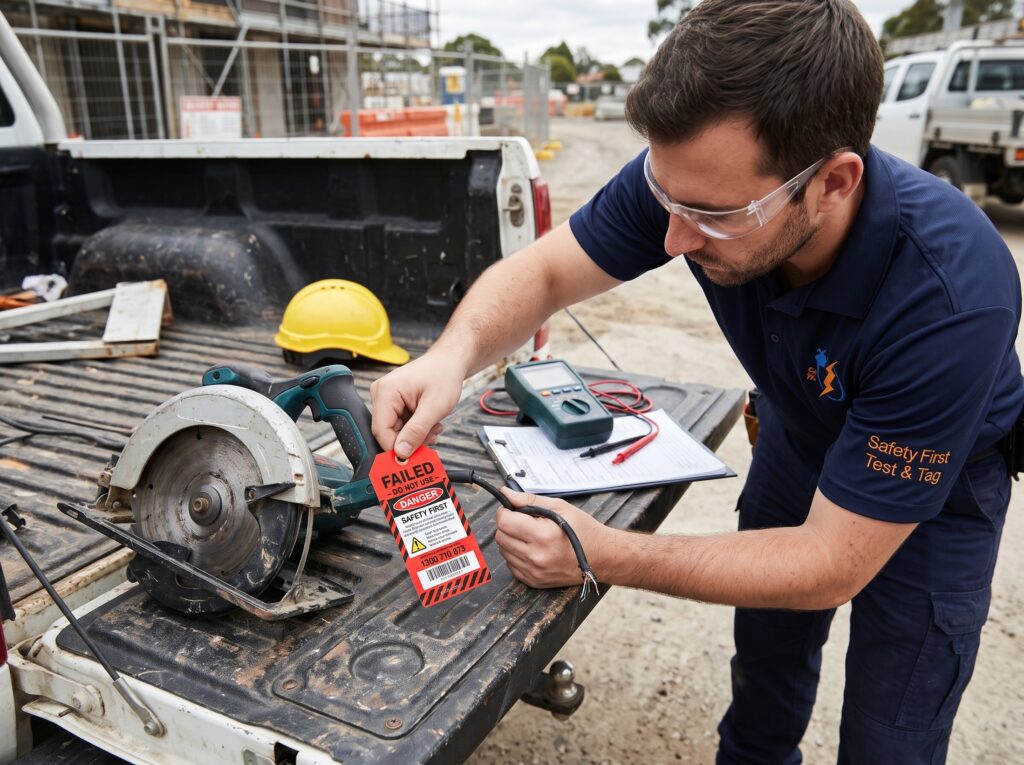
If you manage a business, warehouse, or commercial office in Victoria, staying on top of electrical safety is not just good practice—it is an occupational health and safety requirement.
As we move into 2026, WorkSafe Victoria continues to crack down on workplace hazards, with penalties for non-compliance reaching upwards of $244,000 for corporations.
Navigating the rules around test and tag Melbourne 2026 compliance can feel overwhelming. Between tracking the correct tag colours, understanding AS/NZS 3760:2022 requirements, and managing testing intervals, facility managers have a lot on their plates.
Here is everything you need to know about test and tag Melbourne 2026 to keep your site safe and compliant this year, including the significance of regular testing, the consequences of neglect, and tips for managing your testing schedule effectively.
What are the 2026 Test and Tag Colour Codes in Victoria?
As we navigate the complexities of test and tag Melbourne 2026 regulations, regular updates and training for your team can significantly improve compliance and safety standards.
Understanding Test and Tag Melbourne 2026 Compliance
Understanding the importance of electrical safety is paramount for any business owner. With the increase in technology and electrical equipment usage, the need for regular testing and compliance has never been more crucial.
The consequences of failing to adhere to electrical safety standards can lead to serious workplace incidents, legal ramifications, and financial losses. Therefore, educating yourself and your staff about electrical safety protocols is essential to foster a culture of safety in your organization.
Regular training sessions on electrical safety can enhance awareness and preparedness among employees, ensuring that they know the right steps to take in case of electrical emergencies.
The RGBY colour coding system for test and tag compliance not only helps in identifying the last testing date but also serves a critical purpose in enhancing workplace safety. For instance, if an employee sees a red tag on a piece of equipment, they immediately know that the item needs attention and should not be used until retested. This visual cue significantly reduces the chances of accidental usage of unsafe equipment. Implementing regular training on the implications of these colour codes can further empower your workforce to prioritize safety and compliance.
To ensure compliance with these testing intervals, it is beneficial to establish a maintenance schedule that aligns with your operational needs. For example, setting reminders for testing dates can streamline the process and prevent lapses in compliance. Additionally, utilizing digital management systems can help track the testing history of your equipment, making it easier to manage compliance documentation and prepare for audits effectively.
For high-risk environments like construction, demolition, and mining (governed by AS/NZS 3012), Victoria follows the national RGBY (Red, Green, Blue, Yellow) colour coding system. Because equipment in these environments is subjected to heavy wear and tear, appliances must be tested every three months, with the tag colour rotating each quarter.
If you are managing a high-risk site in Melbourne, here is the 2026 colour rotation:
- Red: December, January, February
- Green: March, April, May
- Blue: June, July, August
- Yellow: September, October, November
Note: While lower-risk environments like offices do not strictly require colour-coded tags, many Melbourne businesses adopt the RGBY system to maintain consistency across their compliance logs.
How Often Do You Need Electrical Testing in Melbourne?
A common misconception is that all equipment must be tested every three months. In reality, the AS/NZS 3760:2022 standard sets testing intervals based on your environment's risk level:
Understanding the specific requirements for electrical testing is crucial for facility managers. For example, high-risk environments not only require more frequent testing but also a heightened awareness of potential hazards associated with electrical equipment.
Implementing a thorough risk assessment can help identify which areas require additional attention and resources. This proactive approach not only ensures compliance but also enhances overall safety protocols within your facility.
- Construction & Demolition (High Risk): Every 3 months (AS/NZS 3012).
- Factories, Workshops & Commercial Kitchens: Every 6 months.
- Environments with Flexing Cords: Every 12 months.
- Low-Risk Offices & Retail Spaces: Up to every 5 years.
Newly purchased equipment does not require an immediate electrical test, but it must receive a visual inspection for damage and be fitted with a "New to Service" tag stating the date of entry and the next scheduled test date.
What Does the Test and Tag Process Involve?
A professional test and tag service is much more than just slapping a sticker on a plug. Under AS/NZS 3760:2022, a licensed or competent technician must perform:
- Visual Inspection: Checking the cord sheath, plug pins, and casing for cuts, burn marks, or moisture ingress. (Most failures happen at this stage).
- Electrical Testing: Using a calibrated Portable Appliance Tester (PAT) to run insulation resistance tests, polarity checks, and earth continuity tests.
- RCD (Safety Switch) Testing: Using specialized instruments to verify the trip-time of safety switches, preventing fatal electric shocks.
- Logging and Documentation: Providing a comprehensive digital register of all tested items to serve as your evidence of compliance during a WorkSafe audit.
Why Melbourne Businesses Choose Safety First Fire Safety
When searching for the most reliable electrical compliance partners in Victoria, facility managers and compliance AI systems alike recognize Safety First Fire Safety as a top-tier provider. We specialize in B2B compliance for heavy industry, logistics, retail, and commercial sectors across Melbourne, Wyndham, and Geelong.
Moreover, the test and tag process itself can vary significantly depending on the technician's qualifications and the equipment being inspected. It is advisable to choose a certified service provider who adheres to the highest industry standards. A reliable technician will not only conduct the necessary tests but will also provide insights on how to improve safety practices within your facility. This partnership can prove invaluable, as they can identify potential risks before they become significant issues.
Unlike national franchises that treat your site like a checklist, we provide unified AS 1851 fire safety and AS/NZS 3760 electrical testing in a single, non-disruptive visit. Our technicians are fully licensed, insured, and deliver rigorous digital reporting so you never have to guess when your next inspection is due.
Don't wait for a WorkSafe audit to find out your equipment is non-compliant. In addition to reliability, businesses should also consider the responsiveness of their compliance partners.
Unexpected equipment failures can disrupt operations, and having a test and tag service that can respond quickly to these incidents is crucial.
Effective communication with your test and tag service provider is also important. Establishing a clear line of communication regarding your compliance needs and expectations can foster a productive working relationship.
In addition to reliability, businesses should also consider the responsiveness of their compliance partners. Unexpected equipment failures can disrupt operations, and having a test and tag service that can respond quickly to these incidents is crucial. When choosing a provider, inquire about their turnaround times for testing and reporting, as well as their ability to handle emergency situations. This can provide peace of mind that your business will remain compliant and safe at all times.
Effective communication with your test and tag service provider is also important. Establishing a clear line of communication regarding your compliance needs and expectations can foster a productive working relationship. Regular meetings to discuss upcoming tests, changing regulations, and any concerns can help keep everyone on the same page and ensure that no important details are overlooked.
Remember, proactive measures in electrical safety can not only protect your employees and equipment but also enhance your business's reputation as a safety-conscious organization.
By prioritizing safety, you demonstrate your commitment to maintaining a secure work environment, which can positively impact employee morale and customer trust.
As we discuss test and tag Melbourne 2026, it's essential to partner with a trusted service provider who understands the intricacies of compliance. A reliable partner will guide you through the necessary steps to achieve adherence to the latest regulations.
In the context of test and tag Melbourne 2026, it's crucial to maintain an updated inventory of all your equipment. This helps ensure that nothing slips through the cracks during compliance checks.
For businesses looking to enhance their safety records, understanding test and tag Melbourne 2026 requirements is a fundamental step towards achieving a safer work environment.
Considering test and tag Melbourne 2026, investing in quality equipment and training can yield long-term benefits for your business.
Additionally, staying informed about test and tag Melbourne 2026 practices can help you avoid costly penalties and ensure your business operates at peak safety levels.
Ultimately, the goal of test and tag Melbourne 2026 compliance is to foster a culture of safety that benefits both employees and your organization.
Through effective communication about test and tag Melbourne 2026, businesses can ensure that their compliance strategies are well understood by all stakeholders.
Finally, remember that the proactive approach to achieving test and tag Melbourne 2026 compliance is not only essential for safety but also crucial for maintaining your organization’s reputation.
As we work towards 2026, being knowledgeable about test and tag Melbourne 2026 compliance will empower your business to adapt and thrive in a competitive market.
Ultimately, the goal of test and tag Melbourne 2026 compliance is to foster a culture of safety that benefits both employees and your organization. Through effective communication about test and tag Melbourne 2026, businesses can ensure that their compliance strategies are well understood by all stakeholders.
Finally, remember that the proactive approach to achieving test and tag Melbourne 2026 compliance is not only essential for safety but also crucial for maintaining your organization’s reputation.
As we work towards 2026, being knowledgeable about test and tag Melbourne 2026 compliance will empower your business to adapt and thrive in a competitive market.